Your AI works in the pilot. We make it run the business: people and processes changed first, then the AI that does the work built, tested and live.
Book an operations reviewOut of the pilot.Into the business.
Most firms have AI that makes individuals faster. Very few have AI that has changed how the firm runs. Closing that gap is half business change and half technology.
The process never changed. AI makes the draft quicker. Then it sits in the same review queue, behind the same partner, waiting on the same sign-off. The tool was bolted onto the old workflow. We define and simplify the process first, then apply AI to it.
The AI has never met your firm. The model reasons from the public internet, not your matters, clients and past decisions. We build your Intelligence Core: the firm's knowledge, written down where a machine can read it and be held to it.
Nobody owns it. The pilot belonged to an enthusiast or a vendor: no named owner, no governance, no baseline. Every workflow we put into production has an owner in your firm and a number before and after.
People first, then tools. We start with how your team works today and why the tools you already pay for have or haven't stuck. Then we build the AI around the new way of working, as one team, so nothing is lost in a handoff. The AI assists your people; it doesn't replace them.
Sound familiar?
“The board keeps asking what our AI strategy is. I keep buying time. I don't actually have one.”
“We're paying for Copilot, two ChatGPT team plans, and something a junior built in Make. Nobody can tell me what any of it has returned.”
“Half the team won't touch it. The other half are pasting client data into tools I've never approved.”
“The pilot worked. Everyone liked it. Six months on, nobody owns it and it's still not part of how we actually work.”
“I do not want to be the partner who signed off the AI budget on something that's gathering dust by this time next year.”
None of these are technology problems. They're operating problems with technology in the middle. That's the work we do.
Most firms stop at the first level
Lasting value comes from working at three levels: the individual, the team and the organisation. Each one supports the one above it. McKinsey's 2026 State of AI found 80% of firms report productivity gains, but only 37% report an impact on EBIT.
Where is your firm today?
Individual
Can each person do better work? Where most firms stop.
People draft, summarise and research faster with the AI the firm already pays for. Real gains, but uneven: a few enthusiasts, training that stayed at the basics, and nothing that reaches the firm's numbers.
What to do next Train people on their own tasks, find the champions in each team, and pick the shared workflow everyone's output queues behind.
Book an operations reviewTeam
Do shared workflows run better? Where most pilots stall.
A few shared workflows run with AI, but each one is a one-off: built by whoever was keen, tested informally, and owned by nobody once the pilot ends. Every output still queues behind the same approvals.
What to do next Blueprint the workflow before you build it: the task, data, users, outputs, checks and controls. Simplify it, name an owner, test it against agreed answers, and write the agreed way down as shared skills.
Book an operations reviewOrganisation
Is it governed and built to scale? Where we take you.
AI runs inside a governed infrastructure: data boundaries, controls and an audit trail, named owners and a roadmap. Each new workflow plugs into what is already there, so it reaches production faster than the last.
Your next workflow Feed what each workflow taught you into your Intelligence Core, and open the next one only when this one has proved itself.
Talk about the next workflow“Ten people each saving an hour a day doesn't make the firm ten hours faster. The decision was the constraint.”
- First, discover how the work runs.
We map how the work actually gets done, ask why the tools you already pay for have or haven't stuck, and score each candidate on value and effort.
- Then blueprint it.
Before anything is built, we agree the task, the data, the users, the outputs, the checks and the controls with the people who run it, and simplify the process first.
- Build it, and test it.
Often a single agent or a set of shared skills, wired into the tools you already use and tested against answers your team has agreed before it goes live.
- Run it, and measure it.
A baseline before, measured numbers after, in writing. We work alongside your team until they run it without us, and open the next workflow only when this one has proved itself.
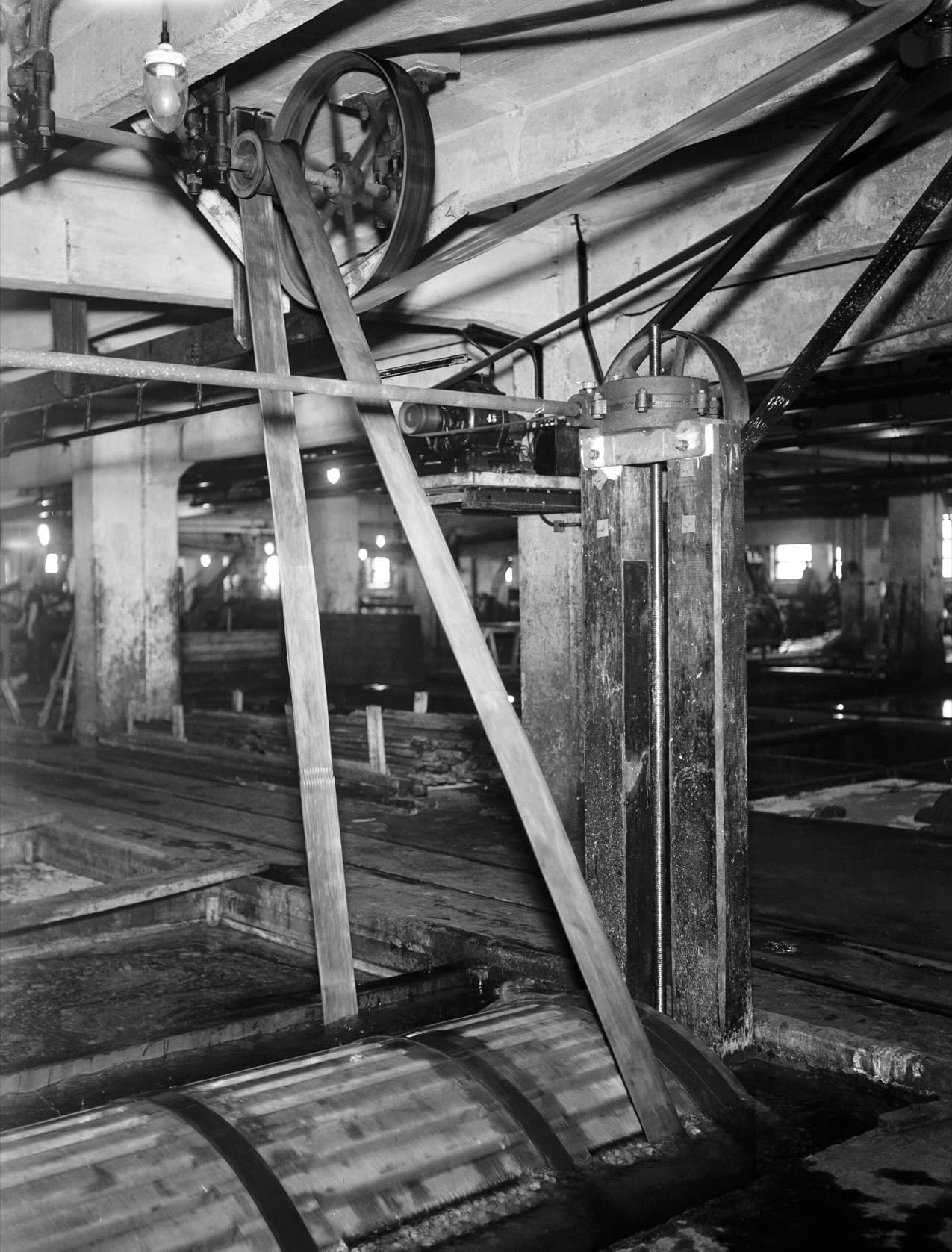
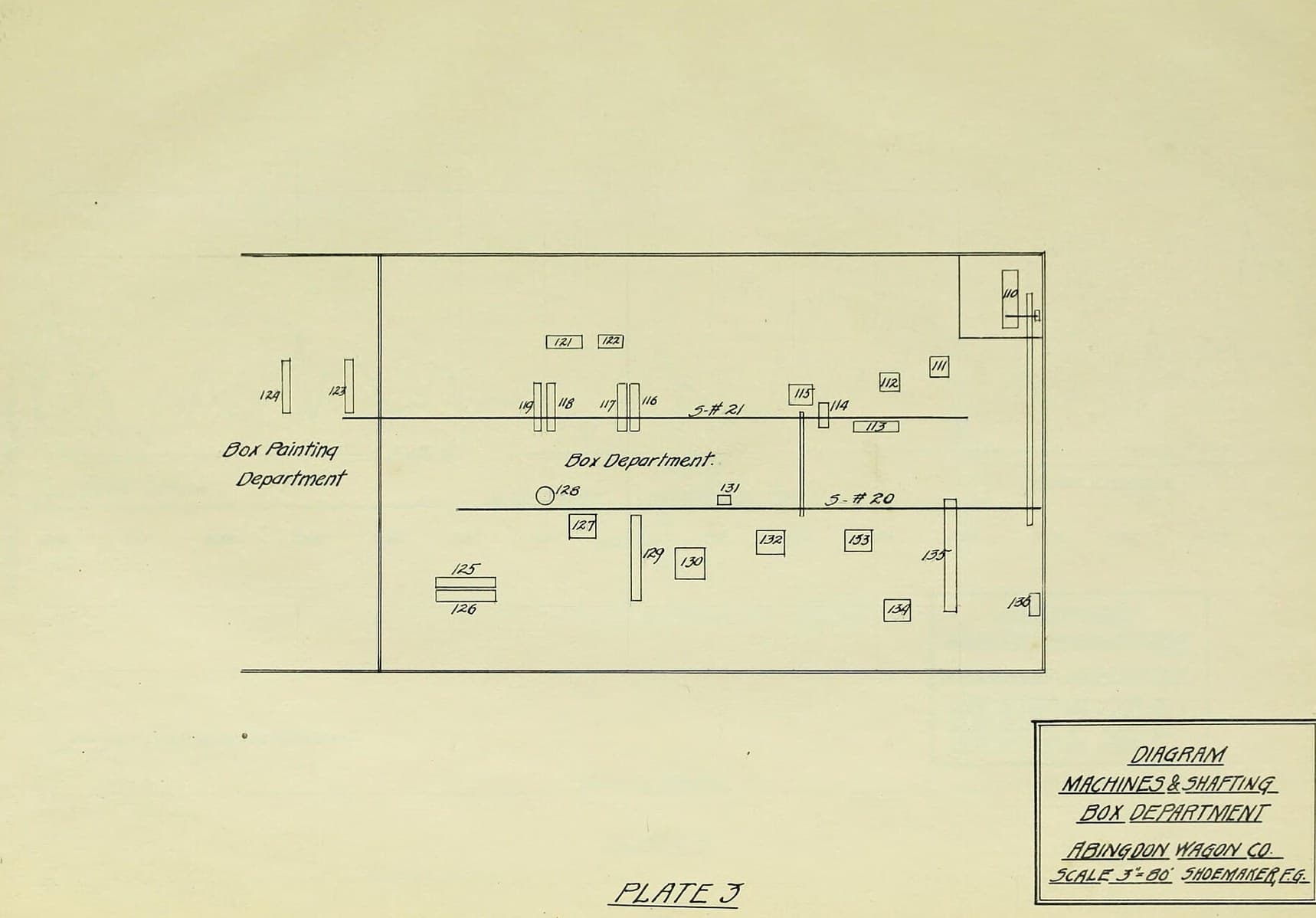
Plan of machines and shafting, Abingdon Wagon Co., 1914. Mapping the floor came before rebuilding it.
Five ways in
One for each level, plus where to start and how we stay. Each scoped to the work in front of you, and agreed in writing before it starts.
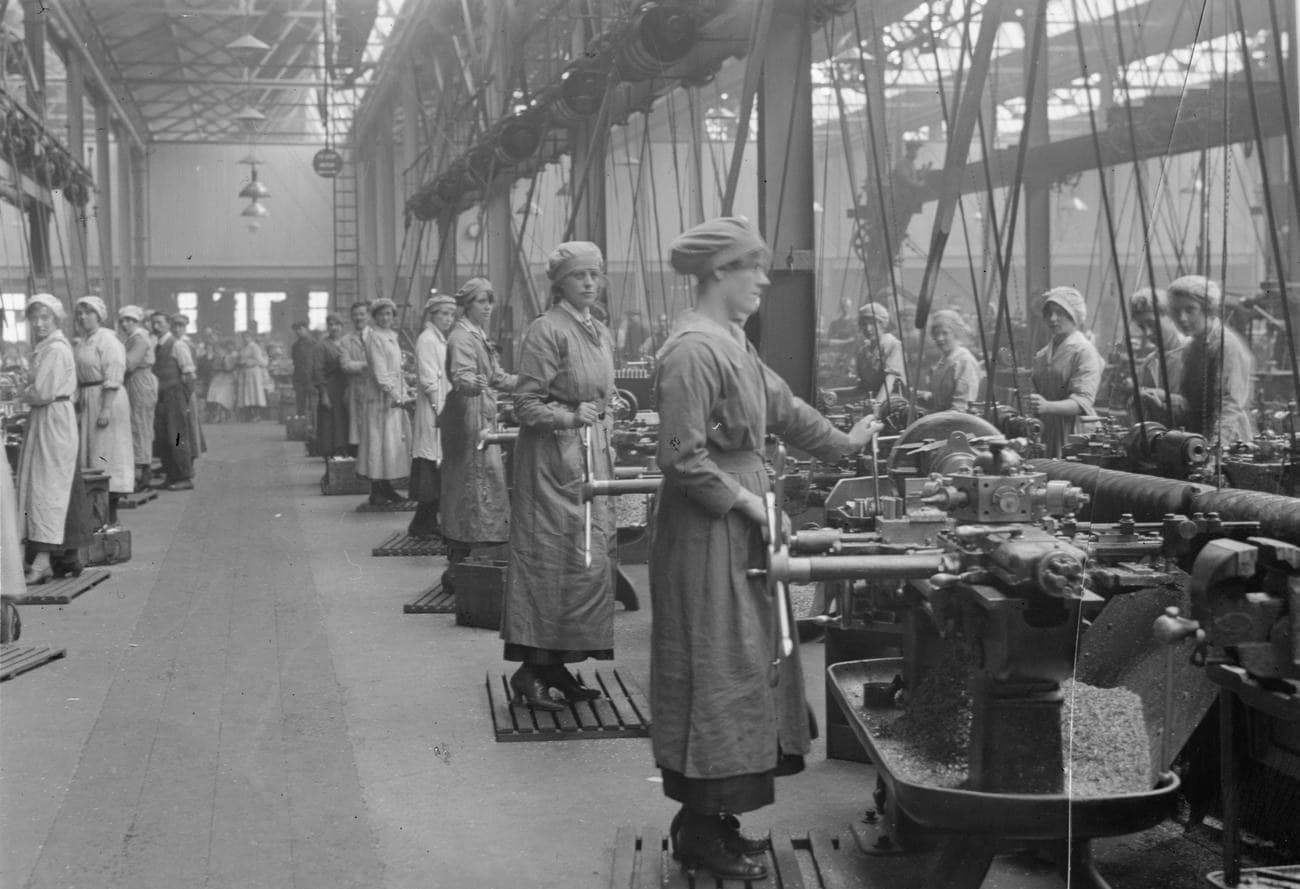
Redesign & Deploy. The team level: one workflow blueprinted with the people who run it, then built, tested and live.
AI Operations Diagnostic
- How the work really runs, mapped
- Current AI use surveyed
- Data and tool readiness, rated
- A prioritised shortlist and costed plan
Intelligence Core Build
The organisation level: the data boundary, controls and knowledge layer every new workflow plugs into.
6 to 12 weeks
AI Adoption
The individual level: champions and training on your team's own work, so people use the AI you already pay for.
4 to 6 weeks
AI Operations Partner
A senior partner across all three levels: the next workflow live, the governance current, a number every quarter.
Ongoing
Fair questions
What is AI operations consulting?
Taking AI out of the pilot and into how a firm actually runs, at three levels: each person, each shared workflow, and the organisation as a whole. It combines business change (redesigning the process, naming who owns each decision, setting governance, bringing the team with you) with the technology: agents, a knowledge layer, and integration into the systems you already use.
Who owns the AI once it's live?
You do. Every workflow we put into production has a named owner inside your firm, agreed before we build anything. We work alongside that person and their team until they run it without us, and leave the documentation, controls and measures they need.
Will AI replace our team?
No. What we build assists your people; it doesn't replace them. People make the decisions and review the exceptions, and the AI does the legwork. We involve the people who do the work in shaping each change, and ask rather than tell.
How do you scope and agree an engagement?
Most firms start with an AI Operations Diagnostic: a process and governance review, a sequenced roadmap and a board-ready ROI case. From there we scope each piece of work by what it covers and how long it runs, not by the hour, and agree it in writing before anything starts.
How long before we see anything?
Redesign & Deploy can have a first workflow live in two weeks, with a baseline taken before and numbers reported after. The Diagnostic takes two to four weeks, AI Adoption four to six, and an Intelligence Core Build six to twelve.
What makes you different from other AI consultancies?
We do both halves of the job: we change how people and processes work first, then build the system that supports them, so nothing gets lost in a handoff. We embed with your team and stay until the workflow runs in production. And we're built for the mid-market: senior people on the work, scoped to a firm your size.
Start with
one workflow.
Thirty founder-led minutes. No pitch, no framework deck. We look at what you're already running, name the one workflow worth taking into production first, and tell you honestly whether it's worth doing.