Our approach
How we take AI from pilot to production inside UK mid-market firms.
We start with the people and the process, rather than the tool. Change first, technology second, and AI applied to a process that has already been defined and simplified.
Book an operations review
Three levels
Lasting value comes from working at three levels, and most firms stop at the first. Each level supports the one above it.
Individual: Can each person do better work?
We find out how people use the AI they already have, train them on their own tasks rather than generic prompts, and build champions who bring others along.
Team: Do shared workflows run better?
We blueprint each shared process before anything is built, simplify it, and write the agreed way down as shared skills. People review the exceptions.
Organisation: Is it governed and built to scale?
We set the data boundary, the connectors, the controls and the audit trail, with named owners and a roadmap. This is the core business infrastructure, and we call it the Intelligence Core.
We work at all three. Individual skill makes team workflows usable, and well-run team workflows give the organisation something it can govern and scale.
Our method
Four stages, one workflow at a time. Discover is the AI Operations Diagnostic. The rest runs through AI Adoption, Redesign & Deploy, the Intelligence Core Build and the AI Operations Partner.
- Discover
See how the work really runs
Two to four weeks. We start with leaders and process owners, then walk through the work with the people who do it and survey how they use the AI they already have. Each candidate is scored on value and effort before anything is committed.
- A current-state workflow map
- A readiness view of data, systems and tools
- A prioritised shortlist with business cases
- A costed plan across the three levels
- Blueprint
Define the process before anything is built
Defining the process properly is where most of the value is found. With the people who run it, we agree what good looks like and simplify the steps, so nothing unnecessary gets automated.
- The task, and what good looks like
- The data, the users and the outputs
- The checks, and how we know the answer is right
- The controls: who approves and what is logged
- Build and test
Build it in, and test it before go-live
Often a single agent or a set of shared skills, wired into the tools your team already uses. Every build is tested against answers the team has agreed, and some test questions are held back so a pass can't come from tuning to the test. How to build an Intelligence Core
- Agents and shared skills
- Integration into existing systems
- Tests against agreed answers
- A named owner for every skill and decision
- Run and measure
Run it, measure it, then take the next one
We work alongside your team until the new way of working is simply the way they work. Results are measured against the baseline from Discover, the tests are re-run after every change, and the next workflow opens only when this one has proved itself. AI change management, in practice
- Results against a baseline, in writing
- Tests re-run after every change
- Adoption measured by real use
- The next workflow, when this one has proved itself
Change first, technology second
Tools nobody uses return nothing. Behaviour change is built into every stage, not added at the end.
Start with how the work runs today
In Discover we ask why the tools you already pay for have or haven't stuck, and write the answer down in plain terms. That answer shapes everything after it.
Champions in every team
A small group, chosen with the team, own the tools in their area, review the exceptions and bring the next group through once they are trained.
Training on their own work
Role-specific sessions built from each person's own tasks, not generic prompt courses. Adoption is measured by how often and how deeply people use it, not by licence count.
Asked, not told
The people who do the work help shape each change before it reaches everyone. A few people from the front line review it first, and objections get an answer in writing.
No-cost changes first
Some of the friction needs no technology at all. We start with the process changes the team can make straight away, each with a named owner, and check they helped before anything is built.
Honest about what didn't work
Each review covers what failed as well as what worked. The team uses the tools every week and reports openly, and we work alongside them rather than from the outside.
What we hold to
- Process before AI. Define and simplify the work before anything is automated.
- People before tools. Change first, technology second.
- Blueprint before build. Agree the task, data, users, outputs, checks and controls first.
- Test everything, before go-live and while it runs.
- Evidence before scale. Measure a baseline, and open each stage only when the last has proved itself.
- Use what you already pay for. Build on the licences and systems you hold, so the data stays with you.
- Assist, don't replace. People make the decisions; the AI does the legwork.
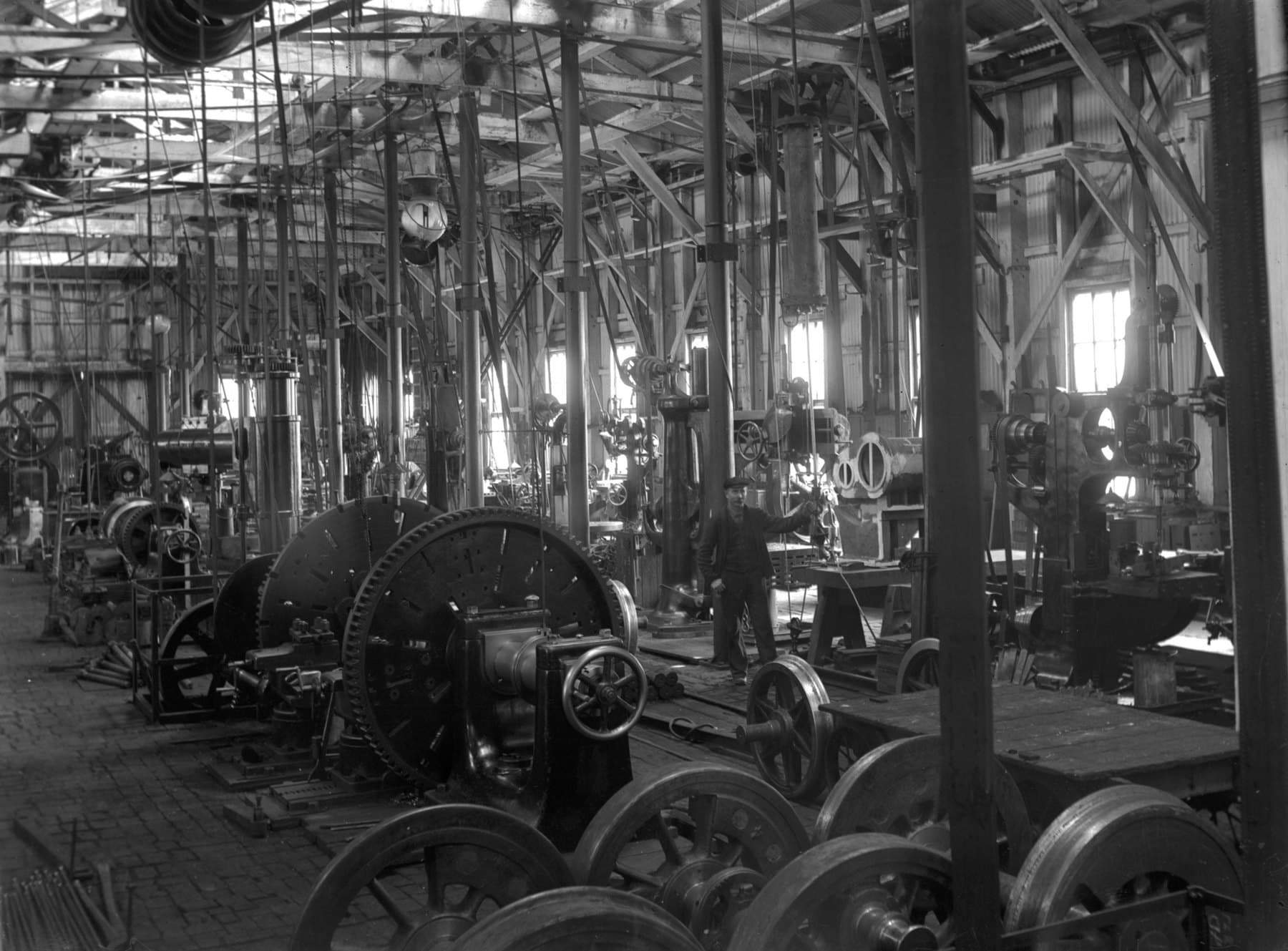
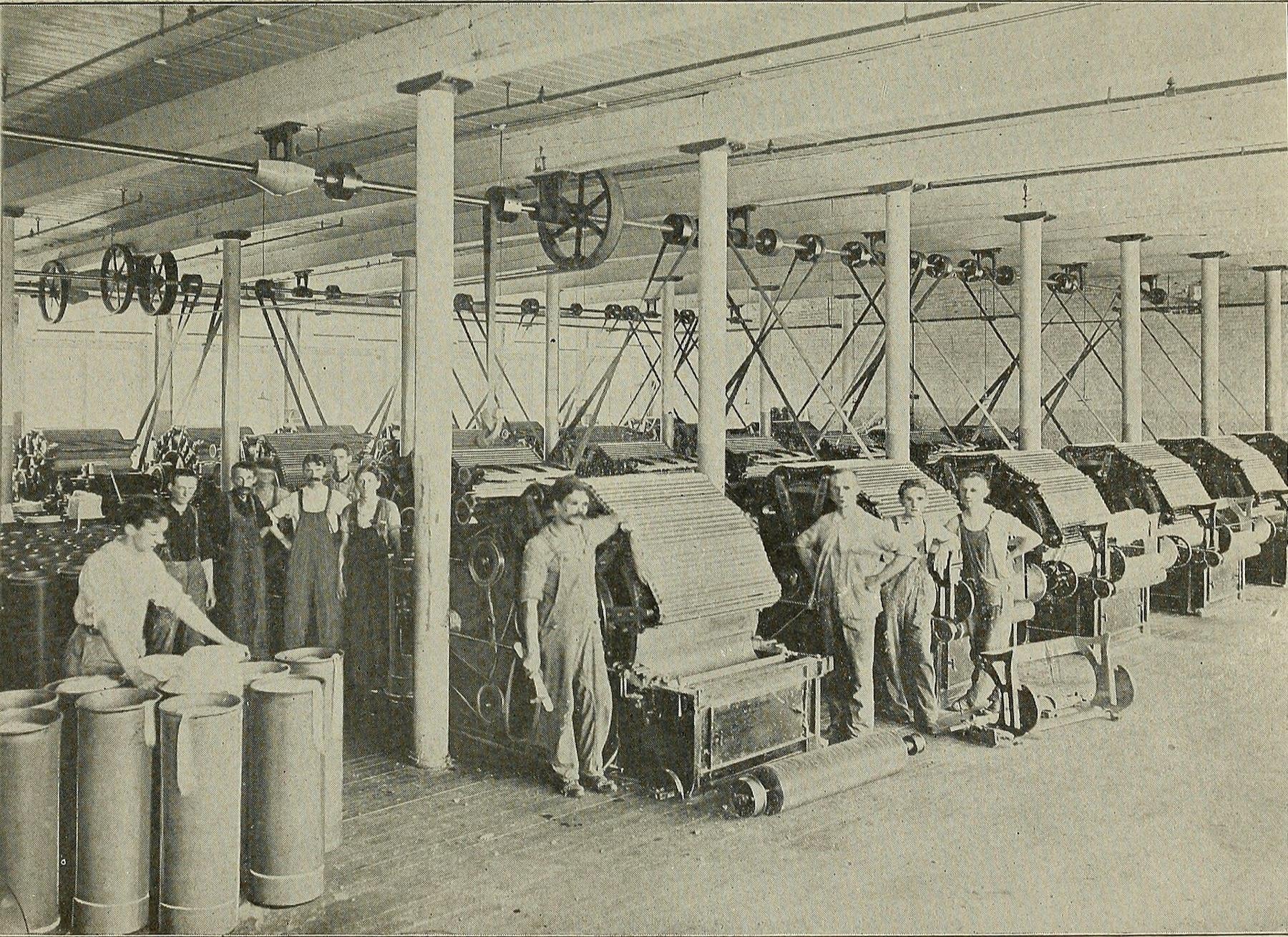
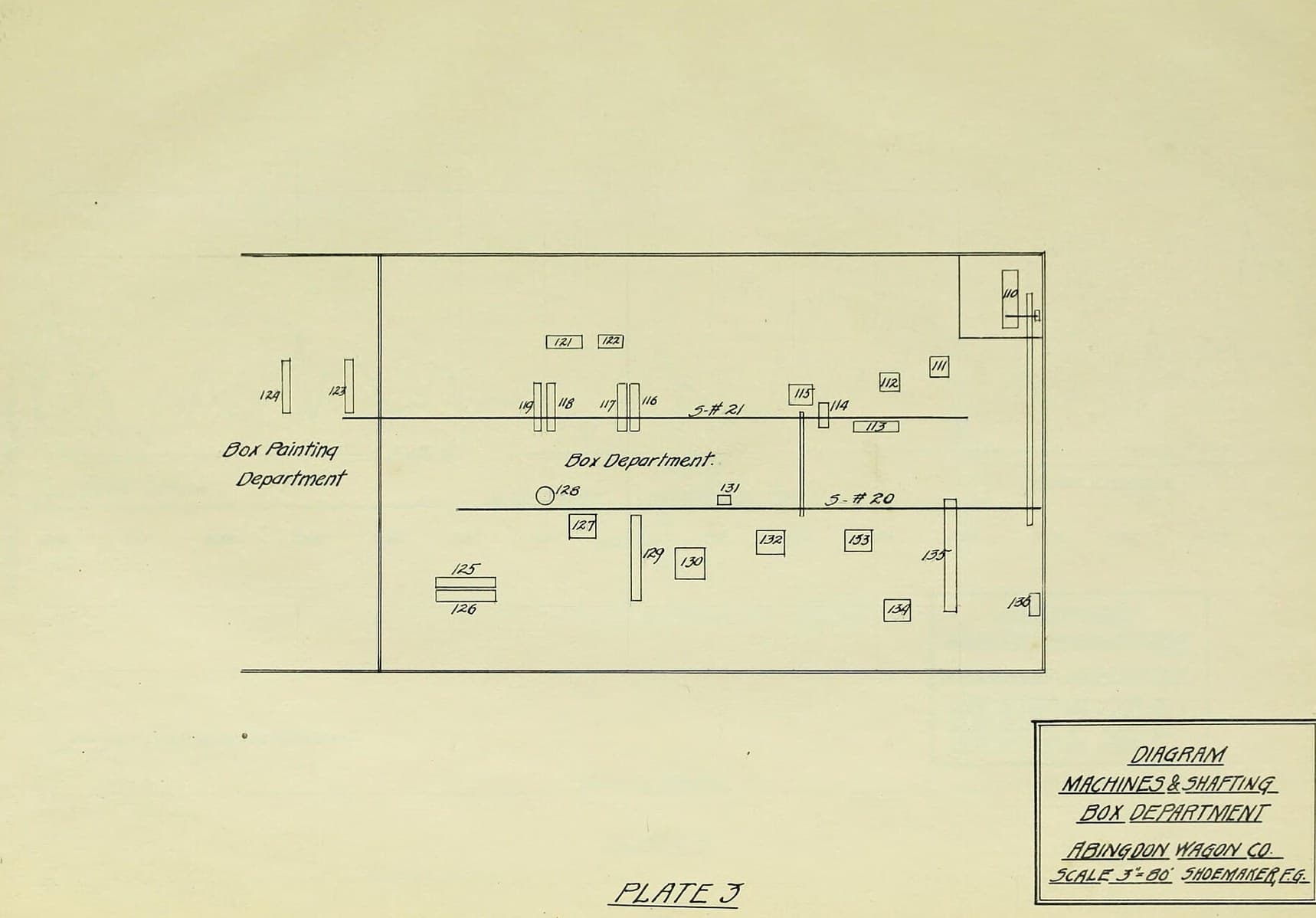
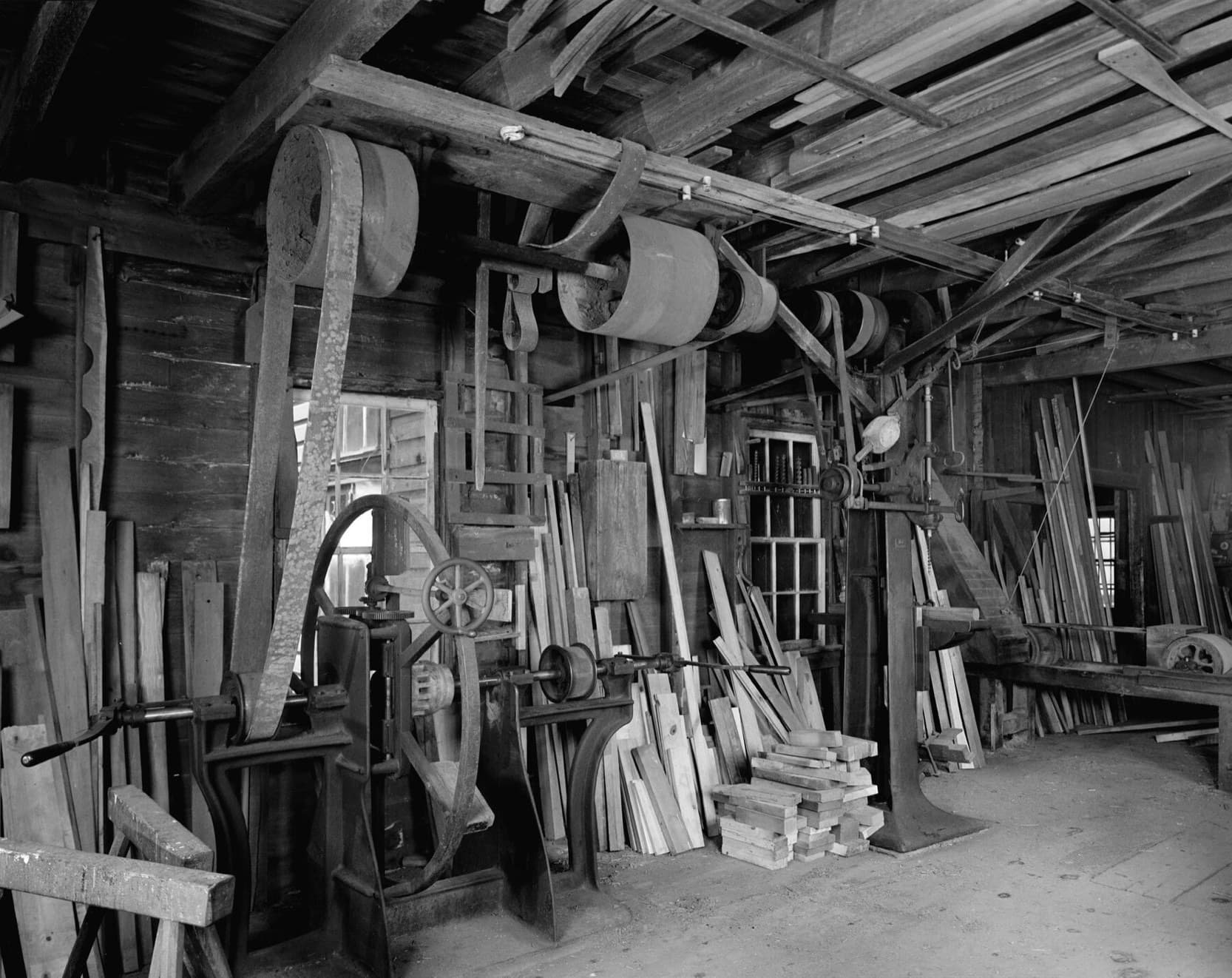
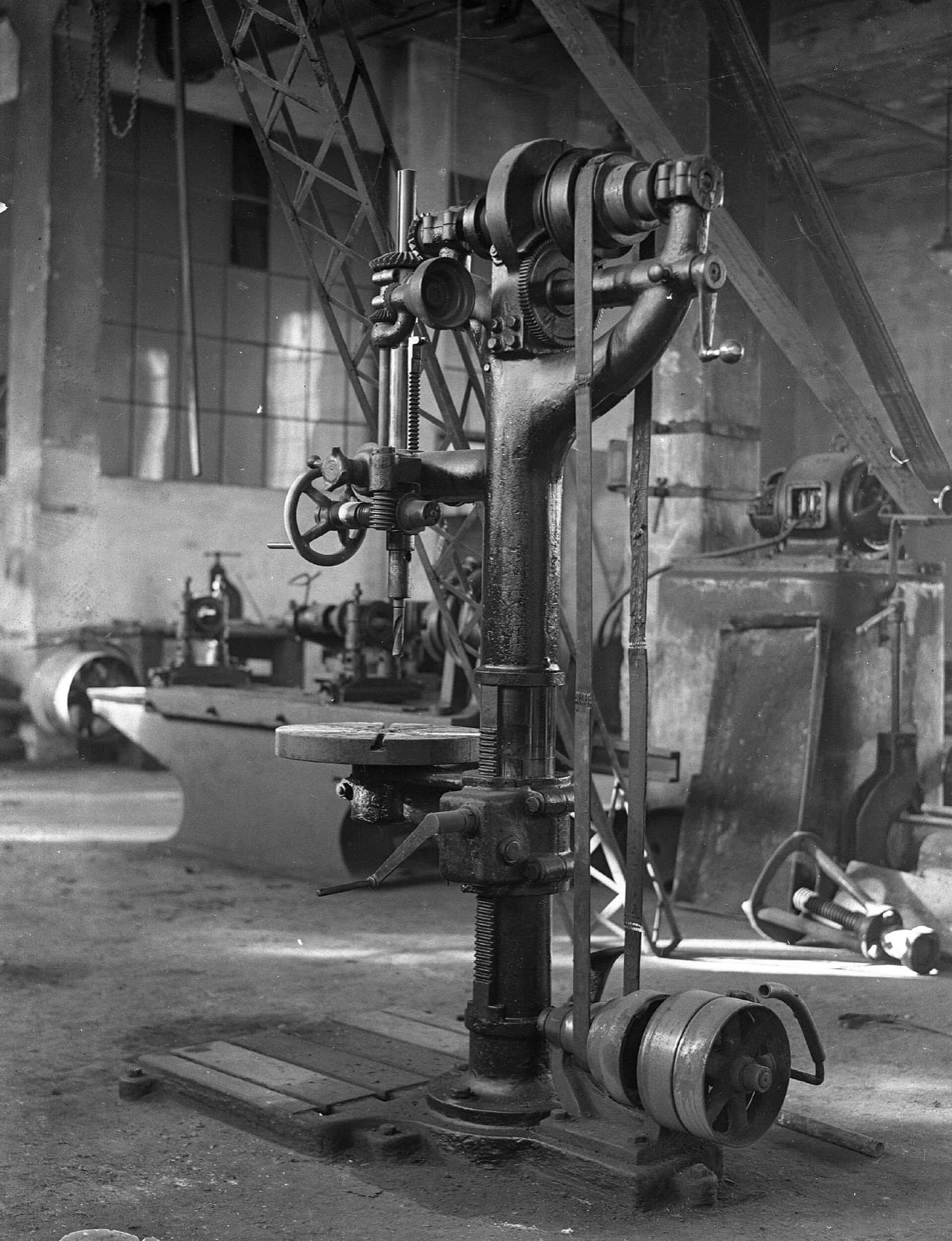
Factories that bolted a motor onto the old line shaft gained almost nothing, until they rebuilt the floor around it.
Start with
one workflow.
Thirty founder-led minutes. No pitch, no framework deck. We look at what you're already running, name the one workflow worth taking into production first, and tell you honestly whether it's worth doing.