What is a ProcessBlueprint?
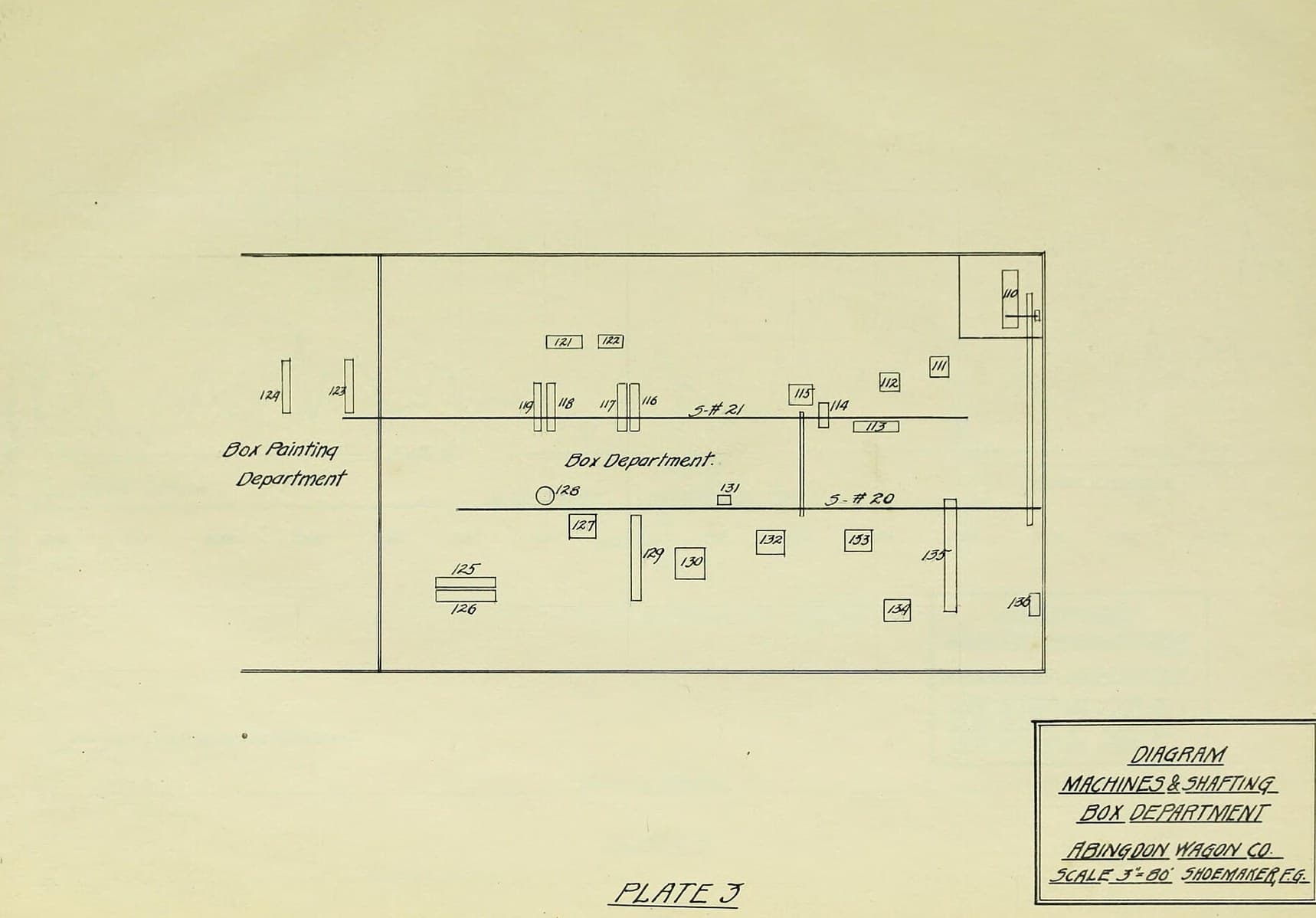
A process blueprint is an agreed definition of a workflow, written before any AI is built into it: the task, the data, the users, the outputs, the checks and the controls. The process is simplified first, so nothing unnecessary gets automated. Defining the process properly is where most of the value is found.
About Redesign & DeployThe Six Parts of a Blueprint
- What: the task, and what good looks like
- Data: where it comes from, and how clean it is
- Users: who runs it, and who relies on it
- Outputs: what comes out, and in what form
- Checks: how we know the answer is right
- Controls: who approves, and what is logged
Why Blueprint Before Build
Most AI pilots add a tool to the old process, so the bottleneck stays where it was. A blueprint forces the questions a build would otherwise skip: which steps exist only because of an old system, where a person must sign off, and how anyone would know the output is wrong. Answering them often removes steps altogether, before any AI is involved.
It also makes the build smaller and safer. A defined process with agreed checks gives the people building it a clear target, and gives the people testing it answers to test against.
Who Writes It
The people who run the work, with help. A blueprint written by a consultant or a vendor alone describes the process on paper, not the one the team actually follows. Walking through the work step by step with the people who do it is how the workarounds come to light. Each blueprint has a named owner who keeps it current.
From Blueprint to Skills
Once agreed, the blueprint becomes the source for what gets built: an agent for the steps worth automating, and shared skills for the agreed way of doing each task, kept in an AI skills library.
Related Concepts
- Three Levels of AI: Blueprints are how the team level starts
- AI Evaluation (Evals): Testing what is built against the blueprint's checks
- From AI Pilot to Production: The practical guide